
Why Our Obsession with Body Size Isn’t About Health: Diet Culture, Misogyny & the Feminist Power of Intuitive Eating
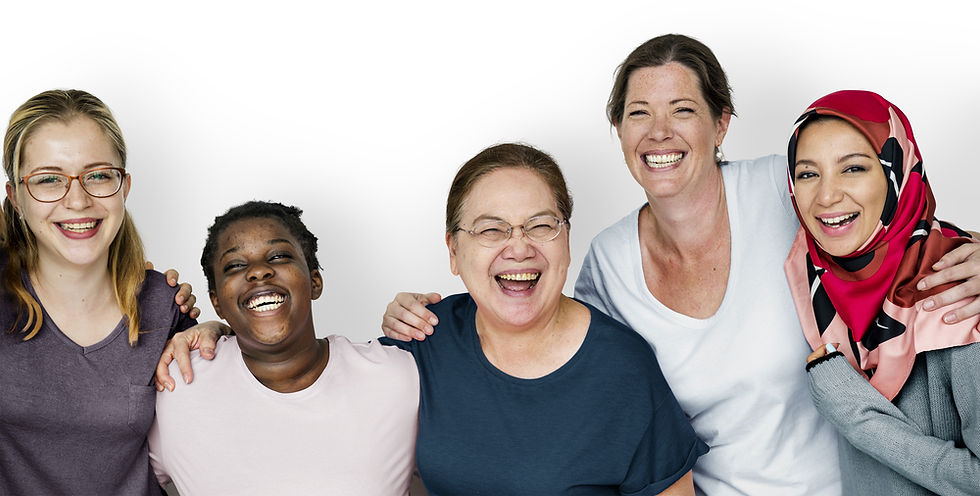
For decades, society has taught us that caring about our weight is the same as caring about our health.
But when we look closer, we discover something very different.
Our cultural obsession with thinness has far more to do with diet culture, misogyny, and the male gaze than with genuine wellbeing. And the solution is not another diet — it’s Intuitive Eating, an approach rooted in evidence, body autonomy, and feminist liberation.
In this article, we’ll explore:
Why body size and aesthetics aren’t health indicators
How diet culture uses shame to control women
The role of misogyny in fuelling weight obsession
Why Intuitive Eating is a health-based, feminist alternative
How reclaiming your appetite is an act of personal and political freedom
Table of Contents
Body Size, Weight & Aesthetics: What We Think Is About Health… Isn’t
What Diet Culture Really Is (and What It Isn’t)
How Misogyny Shapes Body Ideals
Why Aesthetics ≠ Health
Intuitive Eating as a Health-Focused, Feminist Approach
Why Reclaiming Your Appetite Is a Political Act
Final Thoughts: Your Body Was Never the Problem
1. Body Size, Weight & Aesthetics: What We Think Is About Health… Isn’t
Keywords: body size, weight stigma, diet culture, body image
Most people genuinely believe that striving for a smaller body is part of “improving health.”
But this belief didn’t originate from medical science or physiology — it came from culture.
Historically, the thin ideal is tied to systems of:
misogyny
white beauty standards
class hierarchy
and the commercial interests of the diet and wellness industries
These systems shape how we see ourselves long before we ever think to question them.
2. What Diet Culture Really Is (and What It Isn’t)
Keywords: diet culture explained, dieting, weight loss industry
Diet culture isn’t just “being on a diet.”
It’s the entire belief system that says:
Smaller = healthier
Smaller = more disciplined
Smaller = more attractive
Smaller = more worthy
This system thrives when women feel:
“not enough”
ashamed of eating
guilty for resting
afraid of weight gain
disconnected from hunger signals
These insecurities translate into billions of pounds spent on supplements, plans, apps, programs and “fixes.”
Diet culture exists because women were taught to distrust their bodies — and businesses profit from that distrust.
3. How Misogyny Shapes Body Ideals
Keywords: misogyny, patriarchy, body image pressure
The thin ideal was not created for health reasons.
It was created to control women’s behaviour, time, attention, energy and self-perception.
For centuries, women were praised for being:
small
quiet
pleasant
compliant
self-denying
hungry
A hungry woman is a tired woman.
A tired woman is a less powerful woman.
This is not accidental.
It’s structural.
Misogyny uses body shame as a tool to keep women preoccupied with shrinking rather than expanding their lives, voices and influence.
4. Why Aesthetics ≠ Health
Keywords: weight and health, BMI myth, health behaviours
The bodies we are told to aspire to are almost always:
thin
toned
young
white
able-bodied
filtered
But these are visual traits — not health behaviours.
Health is not:
abs
thigh gaps
BMI
the ability to restrict calories
the absence of appetite
Health is a lived experience based on behaviours, not aesthetics.
Research shows that people of all sizes can improve health markers through behaviour change, not weight change.
5. Intuitive Eating as a Health-Focused, Feminist Approach
Keywords: Intuitive Eating, feminist health, body autonomy
Intuitive Eating is an evidence-based framework developed to restore the body’s natural self-regulation.
It promotes:
hunger awareness
fullness cues
emotional regulation
satisfaction
gentle nutrition
flexible, enjoyable movement
nervous system safety
But it also does something far bigger:
Intuitive Eating is feminist.
It rejects:
the male gaze
body-controlling narratives
the idea that discipline = starvation
the belief that women must be small to be worthy
It restores:
autonomy
body trust
appetite as a neutral biological signal
permission to rest
permission to take up space
This is radical because women being free is radical.
6. Why Reclaiming Your Appetite Is a Political Act
Keywords: feminism and body image, appetite regulation
When you stop obsessing over food and weight, you regain:
mental energy
emotional bandwidth
time
self-respect
physical ease
clarity
personal power
Women who trust their bodies cannot be easily controlled.
Women who aren’t starving are harder to silence.
Women who feel at home in themselves are harder to sell things to.
Reclaiming your appetite isn’t just personal.
It’s political.
7. Final Thoughts: Your Body Was Never the Problem
Keywords: body acceptance, feminist wellness
The real issue was never your body.
It was the culture that taught you:
hunger is unsafe
rest is laziness
weight equals worth
thinness equals health
smallness equals goodness
Intuitive Eating invites you back to a different truth:
✨ Your body is wise.
Your appetite is valid.
Your health is not measured in kilograms.
Your worth does not shrink or expand with your body.
This is what real health looks like.
This is what liberation feels like.


